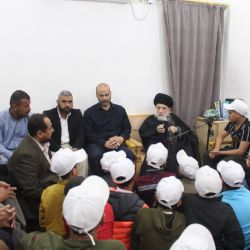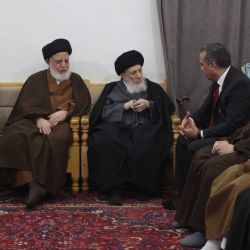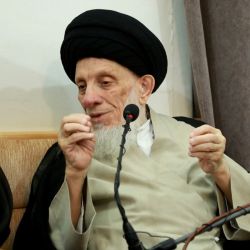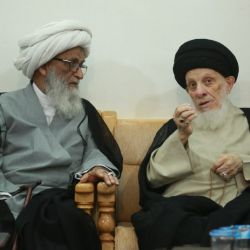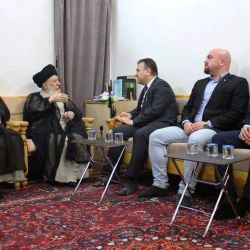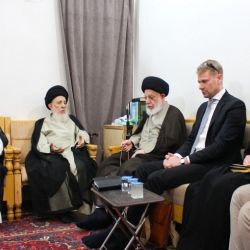
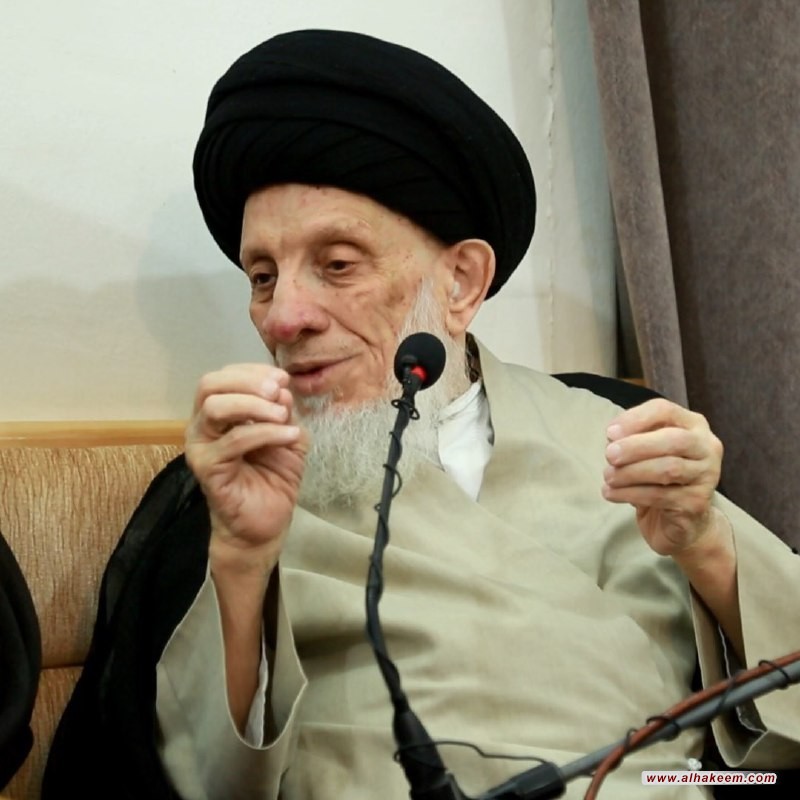
His Eminence Grand Ayatollah al-Hakeem advises the preachers from Pakistan to reach the remote areas to spread the message of Islam and the Ahlulbait

His Eminence Grand Ayatollah al-Hakeem advises the preachers from Pakistan to reach the remote areas to spread the message of Islam and the Ahlulbait
2019/06/11

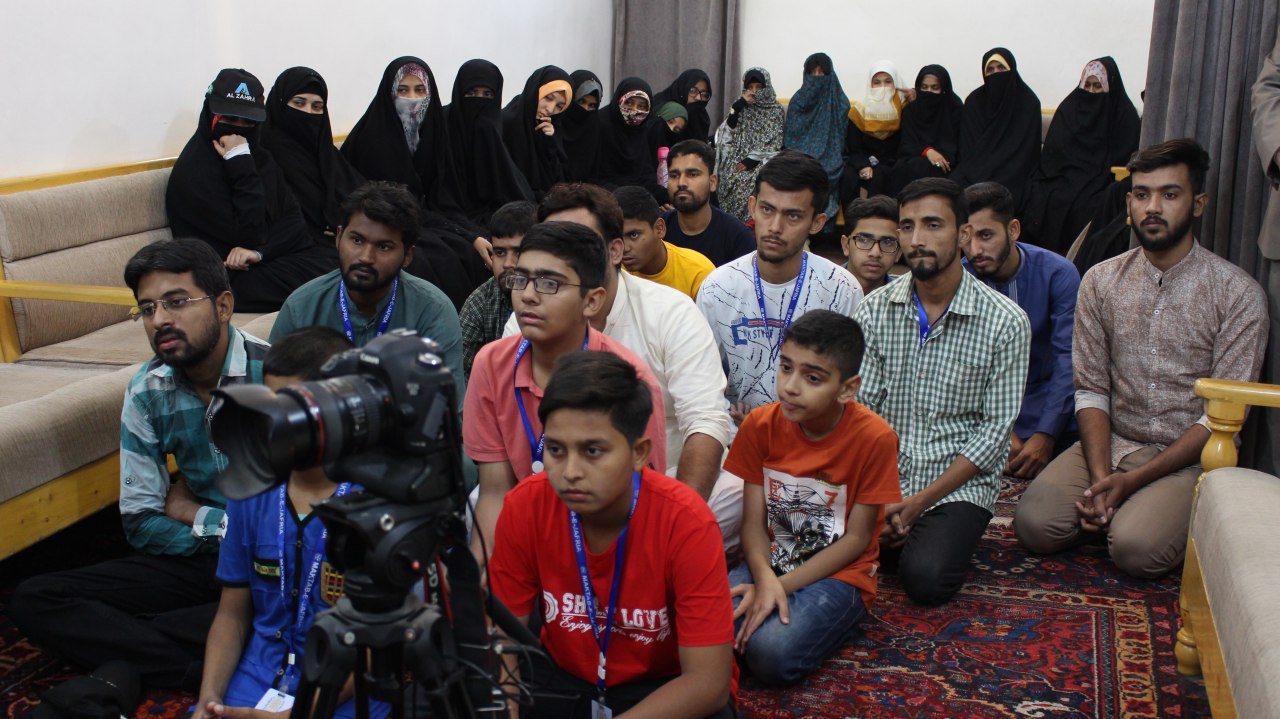
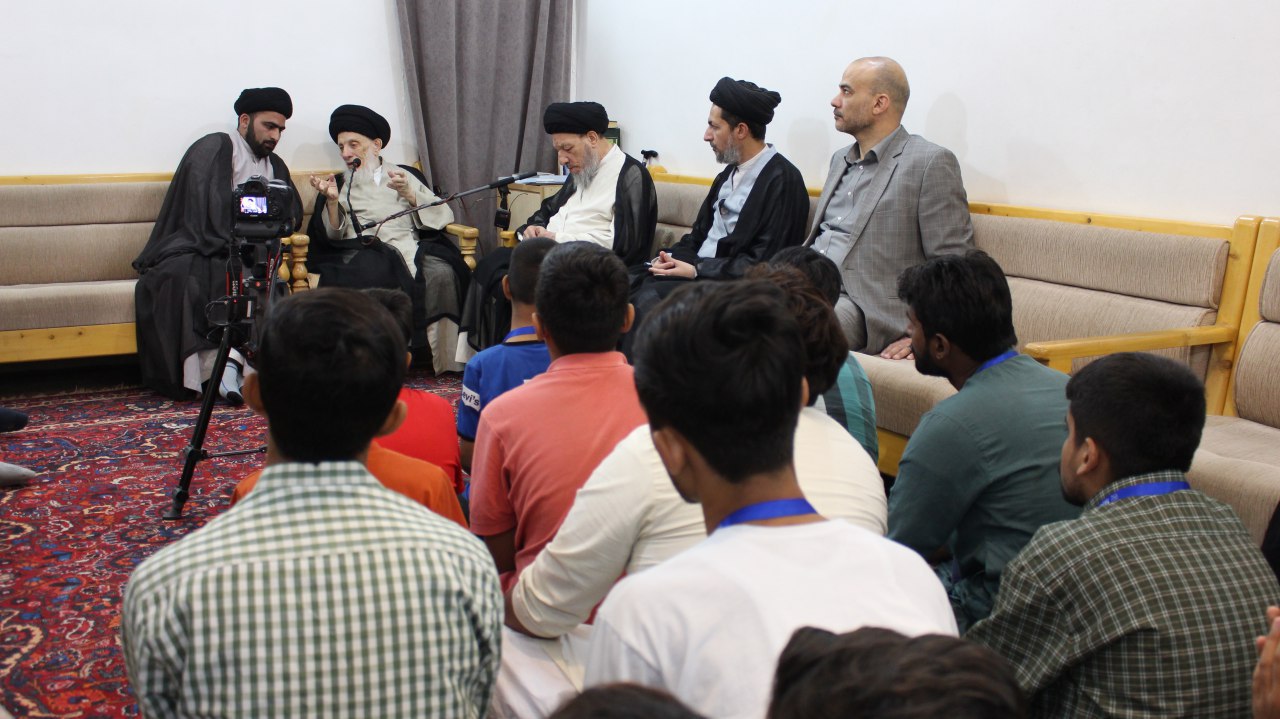
His Eminence Grand Ayatollah Sayyid Muhammad Saeed al-Hakeem spoke to male and female preachers from Pakistan of the necessity of reaching the remote areas of Pakistan in order to teach the people there the Islamic laws, and to invite them to the True Path, and to propagate to them the message of the Ahlulbait (peace be upon them).

This advice was also directed especially towards the female preachers. After exerting their efforts in learning and studying, they must undertake their duties as preachers, by explaining the Islamic laws pertaining to women, so that the women can benefit from them in those areas. His Eminence continued to advise preachers towards having good behavior and etiquettes, humility, and keeping close to other believers, so that every one of them can fulfil their duties towards God in a manner that pleases Him, the Prophet and the Infallibles (peace be upon them all).

At the end, His Eminence supplicated to God that He accept the guests’ ziyarah and good deeds, and He answers their calls, and He supports them in their endeavors and duties, while interacting with others with love, compassion, honesty and humility. He prayed that He gives them the fruit of their good acts in this life and in the Hereafter. He is, indeed, All-Hearing, All-Knowing.
Day Questions

Imam Ja'far Al-Sadiq (peace be upon him) has said the one who transgresses the limits in his wudhu is like the one who has broken his wudhu. What does the Imam mean here? What limits is he referring to? For example, I know that it is recommended to wash beyond the obligatory parts of the face; does this narration make things like this prohibited or does it break one's wudhu?

The mentioned is not what the tradition means. What the tradition means is observing the religious guidelines when performing the wudhu and not to cross them, for example: wiping replaced with washing, or wiping the bottom of the foot instead of its top, and similar cases where the religious restrictions are transgressed.

Can I break my fast with the Sunni brothers according to their Iftar time?

You can break your fast at the disappearance of the sun, but if one has doubt about the time of sunset, he should wait until the disappearance of the redness in the eastern side of the horizon.

Is beating our chest in month of Muharram permissible?

Beating the chests in the ceremonies of Muharram is one of the examples of expressing the sadness and grief to what happened to the Ahlulbait (peace be upon them) in the tragedy of Karbala.